
Elevate your outdoor living with stunning walkways that are both functional and beautiful.
From classic and elegant designs to contemporary and sleek options, we have the expertise to bring your vision to life.

Transform your outdoor space with our expertly crafted walkways.
Whether you prefer the timeless elegance of flagstone or the modern look of pavers, we have the perfect solution to enhance your home's curb appeal. We'll build a walkway that not only serves a practical purpose but also adds beauty and charm to your landscape.
Flagstone Walkways
Flagstone walkways give a natural, rustic, and earthy feel to your landscape.
The varied shapes and sizes of flagstone can be arranged in custom patterns, creating a personalized and artistic touch.
They’re also slip-resistant due to their irregular surface, providing more traction and safety compared to more slippery smooth concrete or brick walkways.
Flagstone is durable, weather-resistant, and low-maintenance, requiring minimal cleaning and upkeep.
Overall, flagstone walkways offer a combination of natural beauty, durability, safety, and customization that sets them apart from stone, concrete, and brick.

Paver Walkways
Paver walkways can be easily customized for the creation of intricate designs and unique layouts that may not be achievable with other materials.
Pavers are typically made from durable materials such as concrete, clay, or natural stone, which can withstand heavy use and harsh weather conditions without showing signs of wear and tear.
Paver walkways are relatively low-maintenance and offer excellent drainage properties, as the joints between the pavers allow for water to drain through, preventing the buildup of water and reducing the risk of erosion or water damage.

Carderock Landscaping Stone Walkway
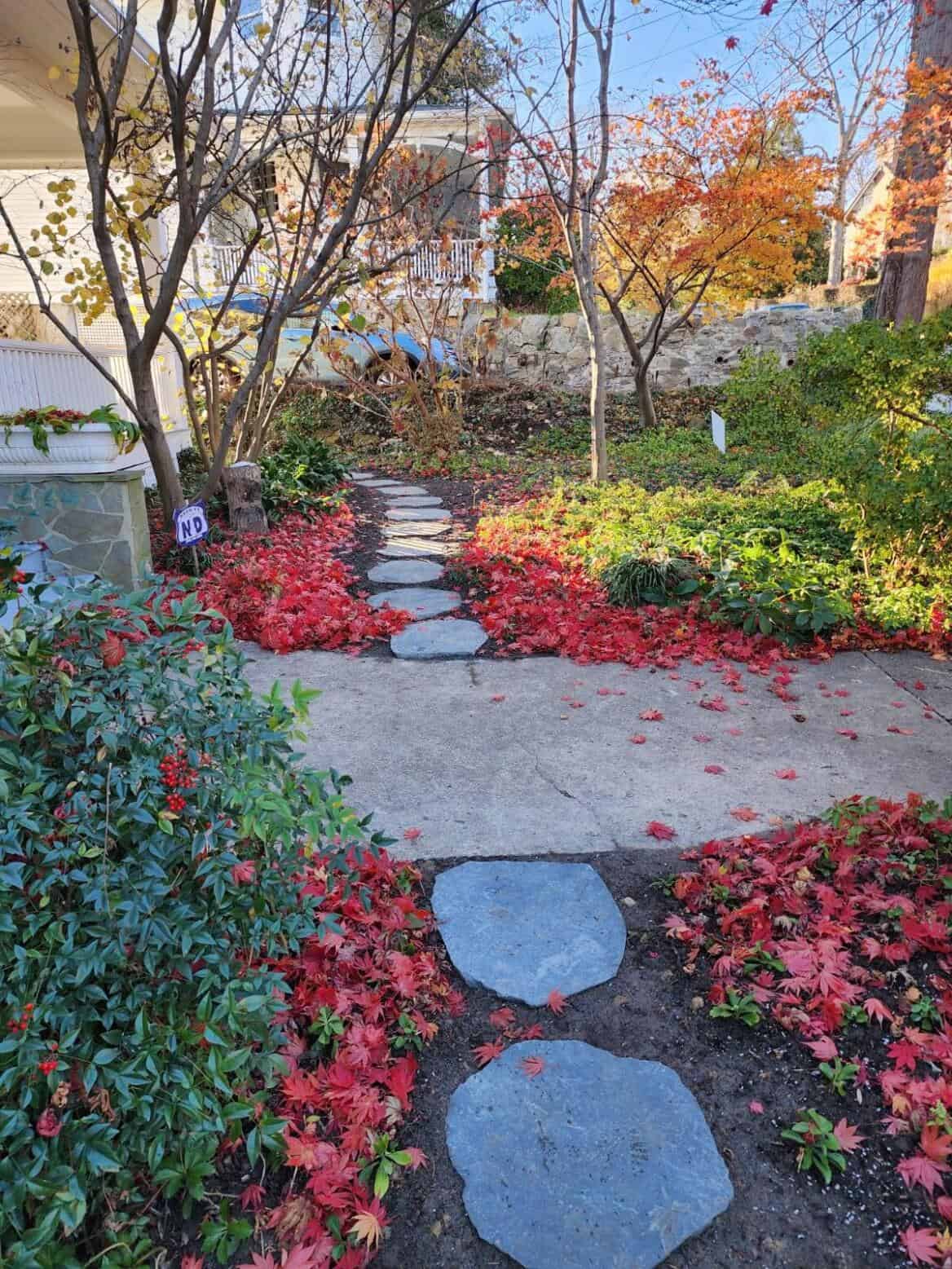
Carderock Rock Stone walkways naturally blend into your landscape, giving it a rustic vibe.
They follow the land’s natural curves, making them look like they belong there.
The uneven stones add character and make the walk enjoyable.
Whether they wind through a garden or lead to a nice view, these pathways make your outdoor space inviting and charming.

Carderock Stones set in River Rocks
A walkway made out of Carderock stones set on river rock would create a beautiful and natural aesthetic for your landscaping.
Carderock stones are known for their unique texture and color variations, which can add character and charm to your outdoor space.
Setting these stones on river rock not only enhances the visual appeal but also provides a stable and durable foundation for the walkway. River rock is smooth and rounded, creating a contrasting yet complementary base for the rugged texture of the Carderock stones.



See what our clients have to say about our work.
Testimonials
The following testimonials are from clients whom we've had the pleasure of building walkways for.
Veronica, Jess, and their team were extremely responsive and willing to work with me to identify different landscaping options and maintenance plans. They are timely and professional with competitive pricing. I would highly recommend.
Tenleytown is the best. Very professional, on time, courteous and thorough. I highly recommend.
Tenleytown Lawn & Landscape are my go-to landscapers from here on out! Their communication with their customers is top tier. They are a woman-owned business which makes them that much better! You would not regret it.
Want to see some of our work?
Case Studies
We routinely post case studies of our work. Have a look below to see before-and-after results we’ve created for our clients.
- Patio and Softscape in Georgetown Backyard
This client was so excited that they immediately green-lighted this project when we showed them the 2D rendering of what we planned for their backyard patio.
See how we did it
- Hardscaping and Sod in Silver Spring
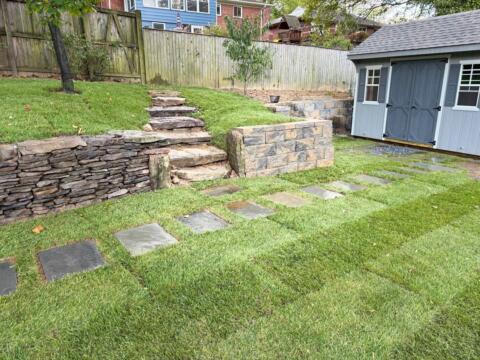
A comprehensive landscape transformation featuring dry-stacked stone walls, custom walkways, and drainage solutions to tackle erosion on a challenging Silver Spring slope.
See how we did it - Walkway in Cleveland Park
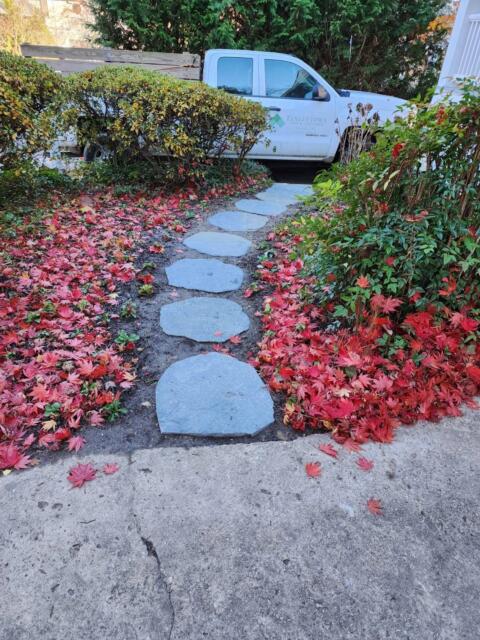
We built a stone wrap-around walkway and timber retaining wall for this client who was renovating their property in Cleveland Park.
See how we did it

Our Associations & Memberships



Ready to get started?
Still have questions? We've got answers.
What types of materials do you offer for walkways?
We offer quite a variety of materials, both permeable and semi-permeable, Some popular ones are naturally-quarried flagstone, pavers, concrete, pea gravel, flagstone set in pea gravel or river rock, and the list goes on. We’ll happily go over the options and help you decide during your consultation.
Are there any permits needed, and do you handle them?
Depending on the property, permitting is not always needed. But when it is, we’re a great friend to have in the permitting process. We can connect you with some of the finest permit expediters to make your experience feel effortless.
Can you help with the design process, or do I need to have a design ready?
Yes, we can absolutely help with the design process. No need for you to have one ready. During your consultation, we’ll evaluate the overall look of your property and its existing features. From this, you’ll get recommendations from us on what would complement it the best. We also offer 2D/3D renderings upon request to help you get a visual of what this would look like before you commit.
How do you ensure the structural integrity?
Our process is thorough, and we adhere to industry standards using expert craftsmanship and years of experience. During the scheduled consultation, we’ll be evaluating the soil, topography, and surrounding features to help us make decisions around drainage, stability, setting, excavation, the base layer, and more.
Can you really build exactly what I want?
Our team prides itself in our ability to make your vision come to life. We listen closely both during your scheduled consultation and throughout. You can show us Pinterest pictures, use examples from our site, and even request 2D/3D renderings from us to make sure you know that we fully understand what your vision is.
Will it require a lot of ongoing maintenance?
Any hardscape requires some maintenance. Some require more than others. Some need to be re-filled with sand or stone-dust after a long period of time as one example. Mortar may need to be replaced after a long period of time, as another example. Or natural stones tend to shale on their own over time, as yet another example. Each one is going to be different. We’ll help you understand maintenance needed as you weigh your options during your complimentary consultation. We also offer power-washing to help maintain certain hardscapes and make them last longer.
How long will it take and when can you start?
You’ll be given a clear timeframe of when we’ll start the work once we give you a proposal. During the work, if there’s any changes that happen—whether it’s change orders or weather-related events—you’ll be kept in the loop.
What type of walkway is best for my home?
The best walkway complements your home’s architecture, provides a comfortable and beautiful route through the landscape, and is built for lasting use. We install flagstone, cobblestone, brick, interlocking pavers, and concrete, with options to suit different styles and budgets.
Flagstone brings natural texture and variation to garden paths and front entrances. Brick offers a classic appearance that complements many traditional homes. Interlocking pavers provide a wide choice of colors, shapes, and patterns. Cobblestone adds distinctive character, although its textured surface deserves consideration where smooth footing is a priority. Concrete offers a simpler appearance, with options for textured finishes, stamped patterns, and decorative borders.
Durability depends on more than the surface you choose. Proper ground preparation, a suitable foundation, and drainage are essential to helping a walkway withstand everyday use and our region’s seasonal temperature changes.
We’ll help you balance appearance, footing, maintenance, and budget, then recommend the construction approach that gives your chosen material a strong foundation for the years ahead.
How will you build my new walkway so it does not sink or shift?
Lasting stability starts beneath the surface. We assess the soil, drainage, and proposed walkway material, then prepare a foundation suited to your property and the installation method.
For a typical paver or dry-laid stone walkway, this includes excavating to an appropriate depth, preparing the ground, and installing a crushed-stone base compacted in layers. We establish the slope so water can drain, and use suitable edge restraints to help keep the surface in place.
In our region, repeated freezing and thawing make base preparation and drainage especially important. Keeping water from collecting beneath the walkway helps reduce the risk of heaving and uneven settling.
No outdoor surface is entirely immune to movement, but careful preparation gives your walkway a strong foundation for long-term performance. We’ll explain the construction approach in your proposal so you understand the work beneath the finished surface.
How can I prevent my new walkway from causing water to pool in my yard?
Drainage should be part of the walkway design from the beginning. We assess existing slopes, low spots, and the movement of rainwater, then plan the walkway so it doesn’t create a barrier that traps water in your yard.
When we excavate for a stone or paver walkway, we install an appropriate crushed-stone or gravel foundation. Along with supporting the walking surface, this base helps water move beneath the walkway. We plan its grading and drainage so water has somewhere to go rather than collecting below the surface.
The right solution may also include adjusting surrounding grades or incorporating a drain. A permeable walkway is another option, allowing rainwater to pass through the surface into a specially designed stone base, then soak into suitable soil or drain through piping.
If your yard already has pooling problems, let us know during the consultation. We can evaluate the walkway and drainage together and include recommended work in your proposal.
Can you make my existing flagstone walkway safe and level again?
Yes. In many cases, we can repair an uneven flagstone walkway while preserving the stones that are still in good condition. We assess loose, sunken, or damaged sections and look for the underlying cause, such as settling, drainage problems, or deteriorating mortar.
For a dry-laid walkway, we can lift affected stones, correct and compact the base, and reset them to create an even walking surface with an appropriate slope for drainage. For a mortared walkway, repairs may include resetting loose stones and replacing deteriorated joints with suitable masonry mortar. Broken stones can be replaced with pieces that complement the existing walkway.
If the foundation has failed across a larger area, rebuilding that section may provide a more lasting result than isolated repairs. We’ll explain the options and recommend an approach that restores comfortable footing while retaining the character of your walkway.
How can I keep weeds from growing between my pavers?
For closely spaced pavers, properly installed joint material helps limit weed growth. We can use polymeric sand where appropriate—a jointing sand that firms up after activation with water and helps resist washout. Keeping the surface free of accumulated soil, leaves, and debris also reduces places where weed seeds can take root. Occasional weeding and joint maintenance may still be needed.
If you like greenery between stones, we can make it an intentional part of the design. Wider planting joints can accommodate low-growing groundcovers, such as creeping thyme or other plants suited to occasional foot traffic. These need space for soil and roots, along with suitable sunlight, drainage, and moisture.
Planted joints work especially well for informal garden paths and stepping-stone walkways. For a frequently used entrance, tighter joints and a more continuous walking surface may be preferable. We’ll help you choose between a crisp, closely fitted finish and a softer planted path based on how you use the space.
Can you build a walkway that is safe to use in my sloped yard?
Yes. We can design a walkway that works with your yard’s change in elevation and provides a more comfortable route through the landscape. We assess the slope, drainage, and how you’ll use the path before recommending its layout.
On a gentle slope, a gradually rising walkway may work well. Steeper areas may call for steps with consistent heights and comfortable landings, using natural stone, precast treads, or other suitable materials. We also consider surface traction, lighting, and handrails where appropriate.
The design can turn a difficult slope into an inviting connection between your home, garden, and outdoor living areas, with planting or low walls helping the path feel integrated into the setting.
If avoiding steps or accommodating mobility needs is a priority, let us know early. We’ll explore what the available space and grade can support and explain any limitations before construction.
When will I be able to walk on my new walkway?
It depends on the material and installation method. Dry-laid stone and paver walkways can generally be used once installation is complete, including any required setting time for the joint material.
Concrete and mortared stone need time to cure before foot traffic, while sealants and some jointing products have their own drying requirements. Weather can affect those times, so we’ll give you instructions specific to your walkway rather than a single waiting period for every material.
Before we leave, we’ll confirm when you can walk on the surface and when it can accommodate heavier items such as planters or garden equipment. If the work affects your main entrance, we’ll discuss access arrangements before construction begins.
Will my new walkway hold up through local freeze-and-thaw weather?
Yes—our walkways are designed and built with DC, Maryland, and Virginia’s seasonal conditions in mind. Winter temperatures repeatedly move above and below freezing, so material selection, foundation preparation, and drainage all matter.
Water that freezes in saturated ground can lift a walkway, while moisture within unsuitable materials can contribute to cracking or deterioration. We select materials appropriate for outdoor use and prepare a foundation suited to the surface and site, with careful compaction and drainage to reduce trapped water.
After installation, keeping drainage routes clear and using snow-removal tools and deicing products suitable for your walkway helps protect the finish and joints. We’ll explain any material-specific care, including sealing where appropriate.
No outdoor walkway is entirely immune to seasonal movement, but sound construction and straightforward upkeep give it the best foundation for lasting performance.
How long should I expect my new walkway to last?
A well-built walkway is a long-term investment, intended to serve your home for decades. Its lifespan depends on the material, foundation, drainage, and care it receives.
Natural stone, brick, and quality pavers can remain serviceable for generations, although joints may need refreshing and individual sections may eventually need resetting. Concrete can also provide decades of use, with its condition influenced by installation quality, weather exposure, and drainage.
Longevity starts with the work beneath the surface. Proper excavation, base preparation, and water management help preserve an even, stable path through our region’s changing seasons.
We’ll explain the upkeep suited to your walkway so you can protect its appearance and performance. Occasional maintenance or localized repairs can often extend its useful life without replacing the entire path.
What will my new walkway cost?
For initial planning, a professionally installed paver or flagstone walkway of approximately 200 square feet—about four feet wide by fifty feet long—may cost around $7000 to $15000+. Smaller, straightforward paths may cost less, while larger or more detailed projects can exceed this range.
The price depends on your chosen material, installation method, and property conditions. Removing an existing walkway, correcting drainage, working on a slope, or adding steps and decorative borders can increase the investment. Site access and the amount of excavation required also affect the cost.
We help you balance appearance and budget while retaining the foundation preparation needed for lasting performance. After reviewing your property, we’ll provide a proposal defining the materials, construction, and restoration included, so you can assess the full project with confidence.
How long will it take to build my walkway?
For initial planning, a straightforward residential walkway may take approximately 1 week to 2 weeks working days to install once construction begins. Larger or more detailed projects can take longer, particularly when they include steps, significant grading, drainage improvements, or removal of an existing walkway.
That construction window is separate from design, material ordering, and scheduling. Weather and unexpected ground conditions can also affect progress, and concrete or mortared surfaces need additional curing time before use.
After assessing your property and agreeing on the scope, we’ll outline the anticipated schedule and discuss access during construction. If the walkway serves your main entrance, we’ll plan those arrangements with you before work begins.
What happens if you find unexpected ground conditions while building my walkway?
We assess your property before construction, but some conditions only become visible during excavation. These might include buried concrete, an old foundation, large rocks, or unstable soil that needs additional preparation.
If we uncover something that materially affects the work, we pause the affected portion and explain what we’ve found. We’ll discuss the recommended solution, any alternatives, and how it may change the cost or schedule.
Any additional work that changes the agreed scope or price will be reviewed with you for approval before we proceed. Our priority is to address the condition properly, preserve the walkway’s long-term stability, and keep you informed throughout the project.
Will you clean up and restore my property after installing the walkway?
Yes. Cleanup is part of completing the project. We remove construction debris, tidy the work area, and clean nearby paved surfaces affected by the installation.
We also plan for the areas disturbed during excavation and construction. Depending on your proposal, restoration may include final grading, replacing soil, repairing lawn with seed or sod, and restoring planting beds alongside the new walkway.
The restoration included will be defined before work begins, so you know what to expect. Where new grass or planting needs time to establish, we’ll explain the watering and care it requires.
Our goal is a finished walkway that sits comfortably within a clean, well-kept landscape. We’ll review the completed work with you and explain any remaining care or curing instructions.
What warranty do you provide on my new walkway?
We stand behind our craftsmanship, with warranty coverage defined for your specific project. Because materials, installation methods, and site conditions vary, we explain the applicable terms in your proposal before work begins.
We’ll clarify what is covered, how long the coverage lasts, and any care requirements or exclusions. Where a manufacturer’s warranty applies to the selected materials, we’ll explain that separately from our workmanship coverage.
If you have a concern after installation, contact us so we can review it with you and discuss the appropriate next steps.
What should I expect during my initial walkway consultation?
We start with a conversation about what you’d like to improve: a more welcoming front entrance, a comfortable garden path, or a better connection between outdoor living areas. Photos or examples you like are welcome, but you don’t need a finished design before we meet.
During the visit, we assess the proposed route, slopes, drainage, visible ground conditions, and access for construction. We also consider nearby trees, planting beds, and existing hardscape so the walkway fits naturally into your property.
Together, we’ll discuss materials, width, layout, traffic patterns, any steps needed, and a budget you’re comfortable with. If the walkway could be part of a larger landscape project, we can explore that broader vision and opportunities to build in phases.
Following the consultation, we’ll prepare a proposal outlining the recommended work, materials, and cost. You’ll have a clear basis for deciding how to move forward, with time to ask questions before committing.