
Professional Sod Installation
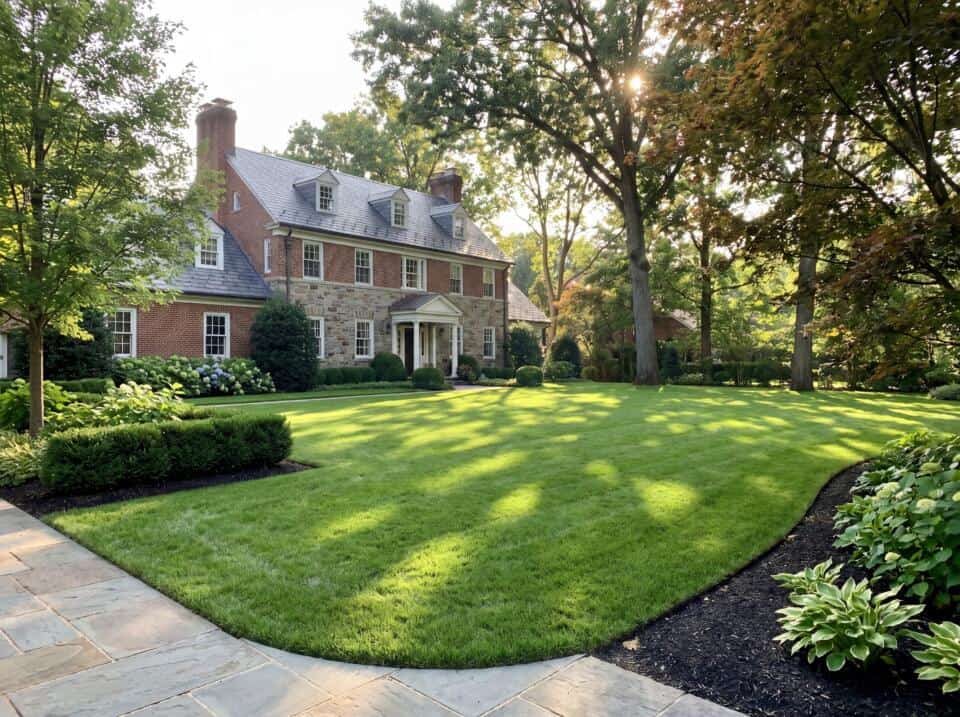
A healthy lawn, established with care from the start
We approach sod installation as more than a surface improvement. Through careful site preparation, soil conditioning, and precise placement, we establish a lawn that takes root quickly and settles in evenly. The result is a clean, cohesive landscape that looks finished from day one and continues to perform over time.

An established lawn without the wait
A new lawn should feel complete from the start—but also hold up over time. We focus on both.
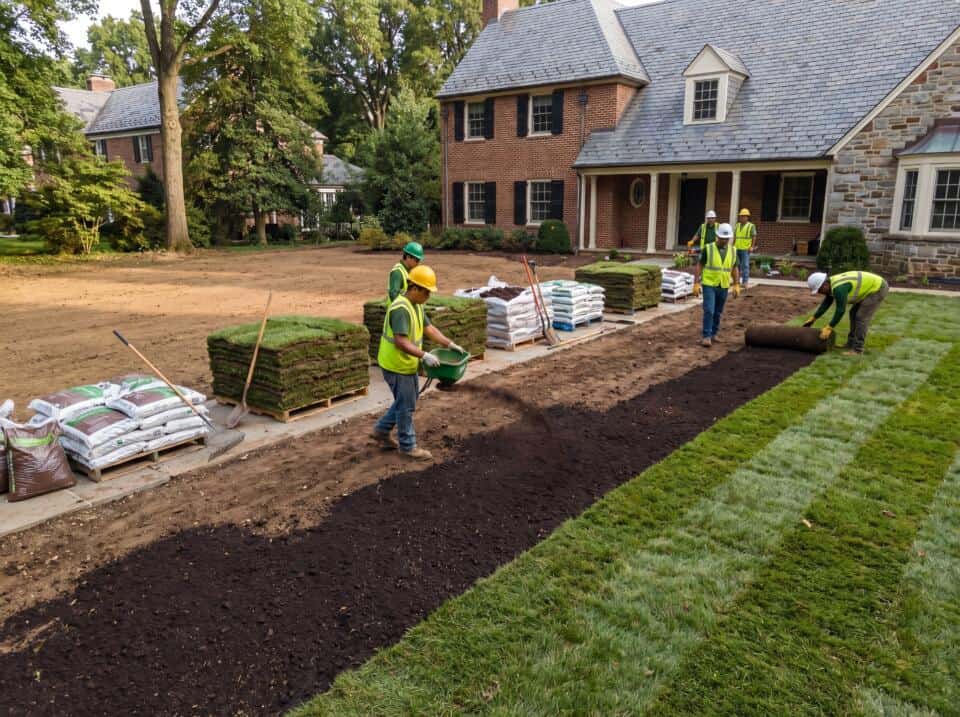
- Site preparation. Existing grass and debris are fully removed to create a clean foundation.
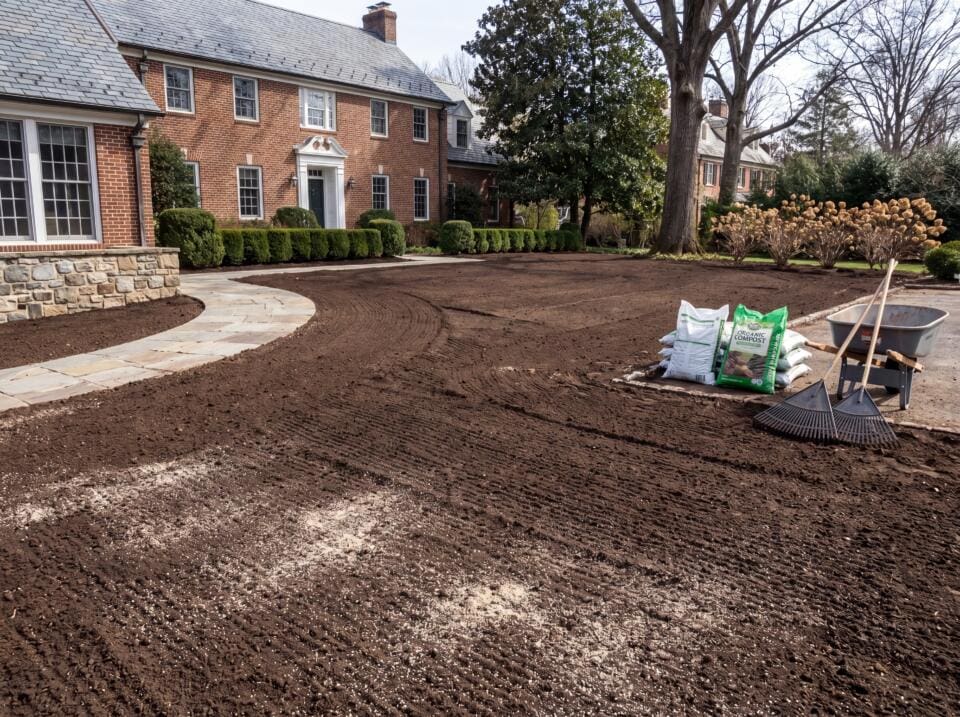
- Soil preparation. The ground is loosened to allow air, water, and nutrients to reach the roots.
- Soil enrichment. Organic material and starter nutrients are worked into the soil to support early growth.
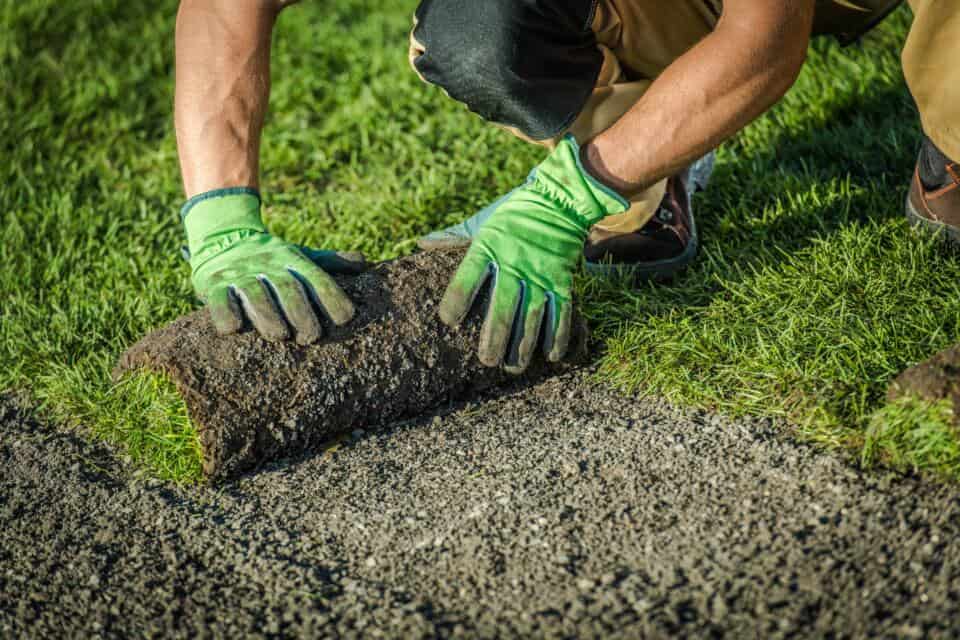
- Careful installation. Sod is laid tightly and evenly, with close contact to the soil beneath.
Each step supports how the lawn looks now—and how it performs going forward.
As recognized by:

Association of Professional Landscape Designers 
National Association of Landscape Professionals Landscape Contractors Association Maryland Home Improvement Commission D.C. Department of Licensing and Consumer Protection (DLCP) nextdoor Bethesda Today








Installed with care so the sod settles in evenly and holds up over time
Lasting Lawn Solutions
A new sod installation depends on what happens beneath the surface. We prepare the soil properly, install with precision, and work with conditions specific to your property. This allows the sod to take root evenly and develop into a stable, healthy lawn with less ongoing correction.
A uniform lawn without visible gaps or uneven areas
Seamless Installation
Poorly installed sod can leave gaps, uneven seams, and air pockets that affect both appearance and growth.
We lay each section carefully, closing seams and pressing the sod into place so it makes full contact with the soil. The surface reads as one continuous lawn from the start.

Existing material is fully cleared before installation begins
Clean Foundation
Leaving behind old grass or debris creates competition and weakens new growth.
We remove all existing vegetation and clear the area completely, giving the new lawn a clean, uninterrupted base to establish properly.
Loosened soil that allows roots to establish naturally
Root Support
Compacted soil limits how deeply roots can grow and how well they absorb water and nutrients.
We till and condition the soil to create a more open structure, allowing roots to move downward and establish more evenly.

Nutrients added at the point of installation
Soil Enrichment
New sod benefits from immediate access to nutrients during the early stages of growth.
We incorporate organic material and starter fertilizer into the soil, supporting early root development and helping the lawn settle in with consistent color and density.
Clear guidance for the first weeks after installation
Ongoing Care
The first few weeks are critical for establishment.
We provide straightforward instructions for watering and care so the lawn continues to root properly and transition into a stable, long-term surface.

A lawn that remains manageable over time
When a lawn is installed properly, ongoing care becomes more straightforward.
With a stable foundation and clear early guidance, the space continues to perform without unnecessary correction—making long-term maintenance more predictable and manageable.

A coordinated approach to establishing a healthy, even lawn
- Immediate visual consistency. The lawn appears even and complete from the start.
- Strong root development. Proper preparation supports deeper, more stable growth.
- Simplified maintenance. A well-installed lawn requires less correction over time.
- Clean starting point. All existing material is removed before installation.
- Conditioned soil. Loosened and enriched ground supports early growth.
- Early-stage support. Nutrients are added at installation to help the lawn establish.
- Clear aftercare. Simple guidance helps the lawn settle in properly.
Still have questions? We've got answers.
Is a sod lawn easy to maintain?
A new sod lawn gives you an incredible and almost immediate transformation, but we want homeowners to understand something important: grass is one of the highest-maintenance plants you can have on your property.
A beautiful lawn requires ongoing attention. Proper mowing, watering, fertilization, weed management, aeration, overseeding where appropriate, and monitoring for disease all contribute to keeping turf healthy.
The first few weeks after installation are particularly important because that’s when the new sod is developing roots into your soil.
We provide new-sod care instructions with our sod proposals so you know exactly what to do during that establishment period. After that, ongoing turf care becomes the key to protecting your investment and keeping the lawn looking the way it did when it was first installed.
How long does new sod take to establish, and when can my kids and pets use the lawn?
New sod will generally begin rooting into the soil in about two weeks, but that doesn’t mean it’s ready for normal family use right away.
We recommend keeping children and dogs off the new lawn for at least four weeks—and longer if you can.
Running, playing, and dogs making quick turns can move pieces of sod before they’re fully established, open seams, and create uneven areas in the newly prepared soil. Giving the lawn more time without heavy traffic allows the roots to become stronger and the individual pieces of sod to grow together.
You’ll be looking at a beautiful green lawn almost immediately, but remember that what’s happening underneath the grass during those first few weeks is what matters most.
How much do I need to water my new sod?
For the first couple of weeks, keeping your new sod consistently wet is one of the most important things you can do.
You want the moisture to reach through the sod and approximately one inch into the soil underneath it. Don’t judge watering only by how the grass looks from above—actually check underneath and make sure the soil is staying moist.
There isn’t one watering schedule that works for every lawn. A newly installed lawn during hot summer weather may need considerably more water than the same lawn installed during a cool, rainy week in the fall.
Sun, temperature, wind, rainfall, soil, slope, and your irrigation system all make a difference. You really need to check the sod rather than relying only on a timer.
The goal during those first weeks is simple: don’t let the new sod dry out while its roots are beginning to establish.
When is the best time of year to install sod?
We have successfully installed sod every month of the year.
The bigger question is how much care the new lawn will require after installation.
If you’re looking for the easiest time to establish a new lawn, spring and fall are ideal. Cooler temperatures reduce stress on the grass, and we typically receive more help from natural rainfall.
Sod installed during hotter or drier periods can still establish successfully, but the homeowner needs to be much more attentive to watering. The weather at the time of installation makes a big difference in how quickly the sod dries out and how much supplemental water it needs.
So while sod installation isn’t limited to one particular season, spring and fall generally make the establishment period easier on both the grass and the homeowner.
What type of grass is best for my property?
Most lawns in our area are tall fescue, and for many properties it is the best choice.
If your lawn receives 10 or more hours of direct sunlight during the summer, zoysia can also be a great option. Zoysia loves sun and performs very well during our hot summers, but it behaves differently from fescue and goes dormant during the colder part of the year.
Sun exposure is one of the first things we consider when recommending grass. What works beautifully in a wide-open, sunny backyard may not be the right grass for a property with mature trees, buildings, or other areas of shade.
We’ll help you choose the grass that makes the most sense for the actual conditions of your property.
How do you prepare my yard before installing sod?
A successful sod installation starts with the soil underneath it.
We begin by removing the existing lawn and weeds. Rather than simply covering the existing conditions with new grass, we work with and amend the soil that’s already there to create a better environment for the new roots.
We then carefully grade and smooth the area. This helps with drainage, creates a more even finished lawn, and gives the sod good contact with the soil underneath.
Once the preparation is complete, we install the fresh sod and roll it so the roots make good contact with the prepared soil.
A lot of what makes a sod installation successful is the work you won’t see once we’re finished.
How much does a new sod lawn cost?
The cost of sod installation is driven largely by the labor and preparation involved, not just the price of the grass itself.
We remove the existing lawn, amend the soil that’s already on your property, prepare and grade the area, and create a smooth surface before the new grass is installed.
Freshness also matters to us. Our crew travels approximately 1.5 hours each way to pick up fresh sod and bring it directly to your property. That’s roughly three hours of travel time just to get the material, and we do it so the sod can be installed fresh the same day rather than sitting around on a pallet before it goes into the ground.
The final cost depends on the size of the lawn, existing site conditions, access, grading, and the amount of preparation required. Once we see the property, we can give you an accurate estimate based on the actual work involved.
Is sod the best way to replace my lawn, or should I use grass seed?
Both sod and seed can produce a beautiful lawn, but sod gives you a finished lawn almost immediately.
With sod, you’re starting with established grass rather than waiting for seed to germinate and fill in. This can be especially helpful when you want to transform a struggling or bare yard quickly.
That doesn’t mean the work ends when the sod goes down. New sod still needs time to root into your existing soil and requires careful watering and limited foot traffic while it becomes established.
We’ll look at the condition of your existing lawn, soil, sunlight, and how you use your property to help determine whether sod makes sense for your yard.